
Research
Research
Areas
Fault diagnosis for electric machines and drives
Stator winding inter-turn faults, rotor imbalance, bearing degradation. The classifier is rarely the hard part. The work is in the feature engineering that makes a fault separable when all you have to go on is a current signature or an acoustic trace.
Predictive and adaptive control of power electronics
Finite-control-set MPC, weighting-factor design, sensorless prediction for line-start PMSMs, and data-driven control of modular multilevel converters. One question keeps coming back. How do you tune a cost function when its terms have no common unit?
Adversarial robustness without the accuracy tax
Adversarial training almost always costs you standard accuracy. I treat that as a constrained optimisation problem rather than a fixed price, using primal-dual formulations with confidence calibration and convex penalty surrogates for the robust loss.
Time series anomaly detection under imbalance
Faults are rare by definition, so the training distribution misleads you. Data balancing, physics-informed constraints, and multi-modal sensor fusion, all aimed at bringing the false alarm rate down.
Publications
Leveraging Meta-Learner-Based Stacking Framework for Stator Winding Inter-Turn Fault Detection of LSPMSMM. H. Arshad, L. Maraaba, M. A. Abido, Q. Zhao
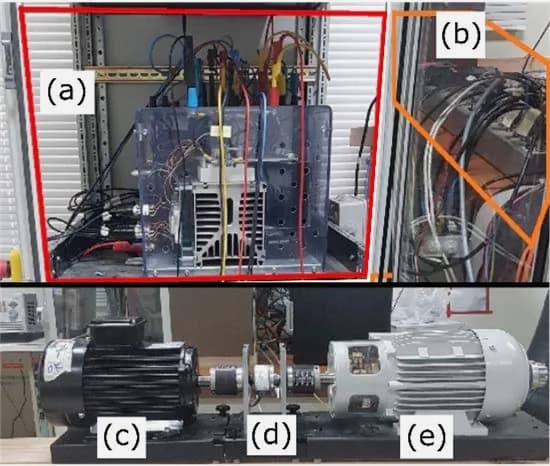
Inter-turn short-circuit faults (ISCF) account for more than of failures in line-start permanent magnet synchronous machines (LSPMSMs), and their early detection is essential for protecting drives that lack the current sensors typically used for winding fault diagnosis. This paper presents an acoustic-only ISCF detection framework that combines three complementary base learners in a stacking ensemble: a learnable filter-bank LSTM (LFB-LSTM) that operates on the raw windowed waveform, a 1D-CNN trained with an adaptive focal loss (AFL-1DCNN) driven by a data-selected subset of features, and a Random Forest over a 19-dimensional engineered feature vector. Their class-posterior vectors are fused by a Gradient Boosting Machine (GBM) acting as a meta-learner trained on 3-fold out-of-fold posteriors. The framework is evaluated on a ten-class severity-by-load dataset from a 1hp LSPMSM.
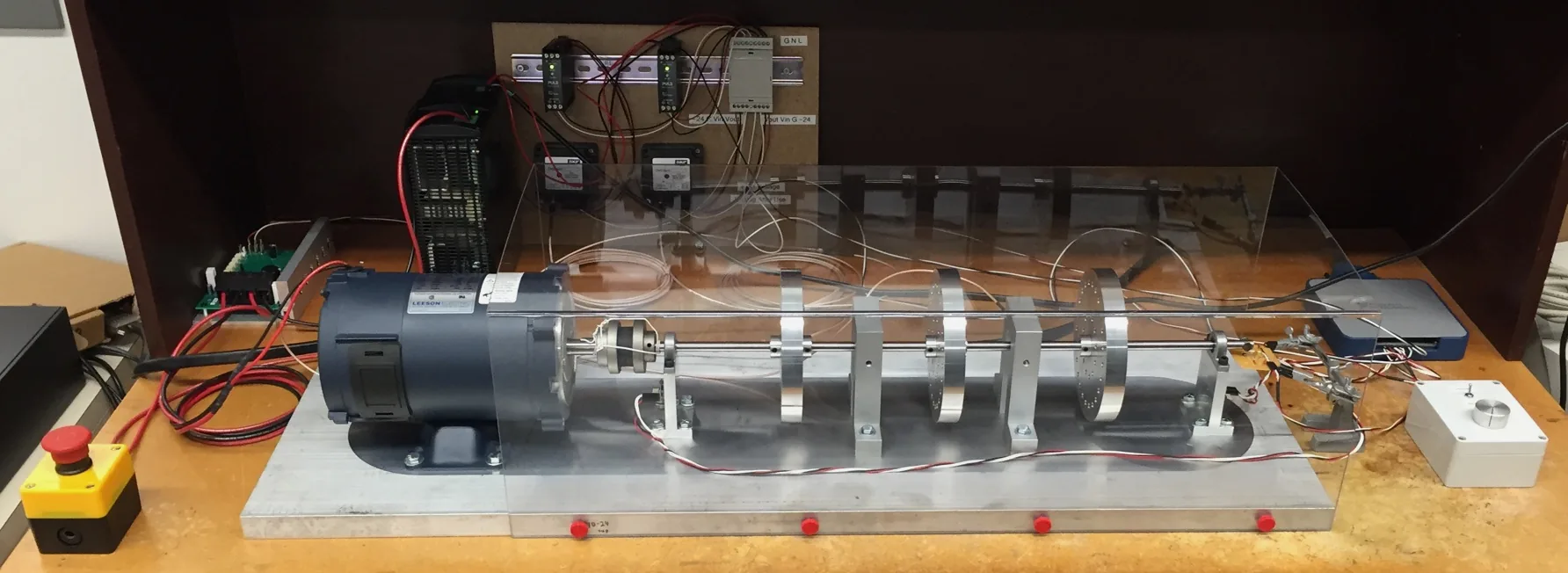
Rotor imbalance fault classification through unified feature fusion: combining statistical signal processing with adaptive deep learning featuresM. H. Arshad, H. Wang, J. Yao, Q. Zhao
The most important element of efficient fault classification lies in the identification of relevant features that can serve as representations for various fault categories. For time series classification, the utilization of solely basic Statistical Features (SFs) does not yield high accuracy in classification. On the other hand, the exclusive dependence on machine learning-based feature extraction, without the incorporation of prior knowledge, compromise the model’s ability to generalize. To tackle these concerns, in this work, a hybrid methodology has been proposed, wherein the utilization of basic SFs is combined with Deep Learning (DL) model’s capability to facilitate comprehensive feature extraction, while simultaneously upholding the robustness of the model.
Robust Control of Grid-Tied Inverter with LC Filter via Adaptive FCS-MPC Cost Function OptimizationM. H. Arshad, Q. Zhao, M. Kassas
In this paper, a robust model predictive control for grid-tied inverter with LC filter is presented. The overall control architecture is made up of two interconnected control loops. The outer loop, based on control, regulates grid current in the event of system parameter changes and external load disruptions. This outer control loop also provides the current reference for the inner controller. The inner loop employs Finite Control Set Model Predictive Control (FCSMPC) to regulate the inverter and produce the output voltage necessary to fulfill the design objectives. The FCS-MPC cost function is formulated as a multi-objective optimization problem, for which the VIKOR technique is applied to determine the best compromise among competing objectives.
Comparison of Dynamic Performance of Field Oriented Control and Model Predictive Control for Line Start Permanent Magnet Synchronous MachineM. H. Arshad, A. El-Sayed, A. Salem, Q. Zhao, M. A. Abido
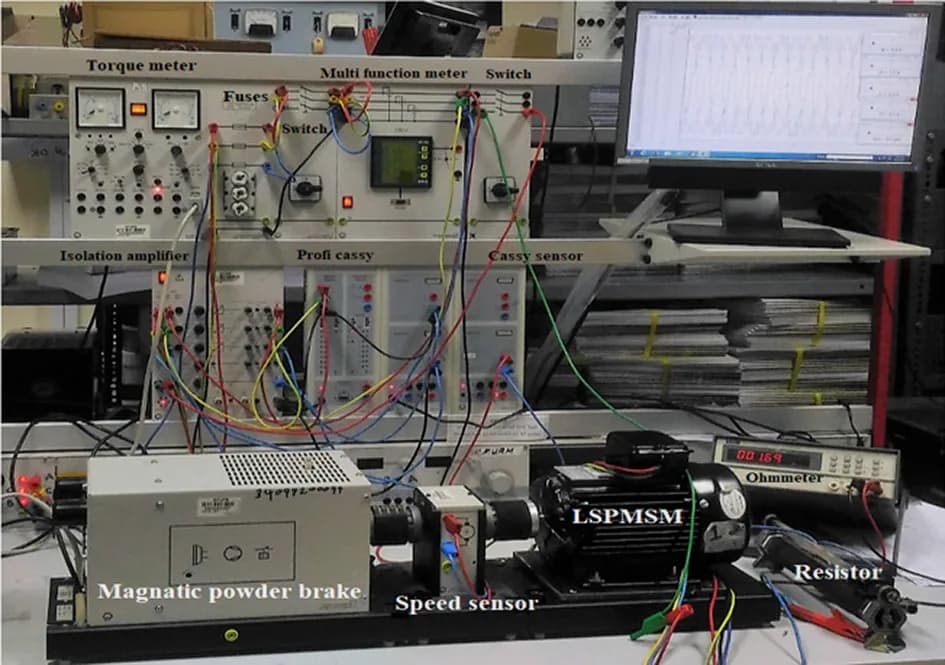
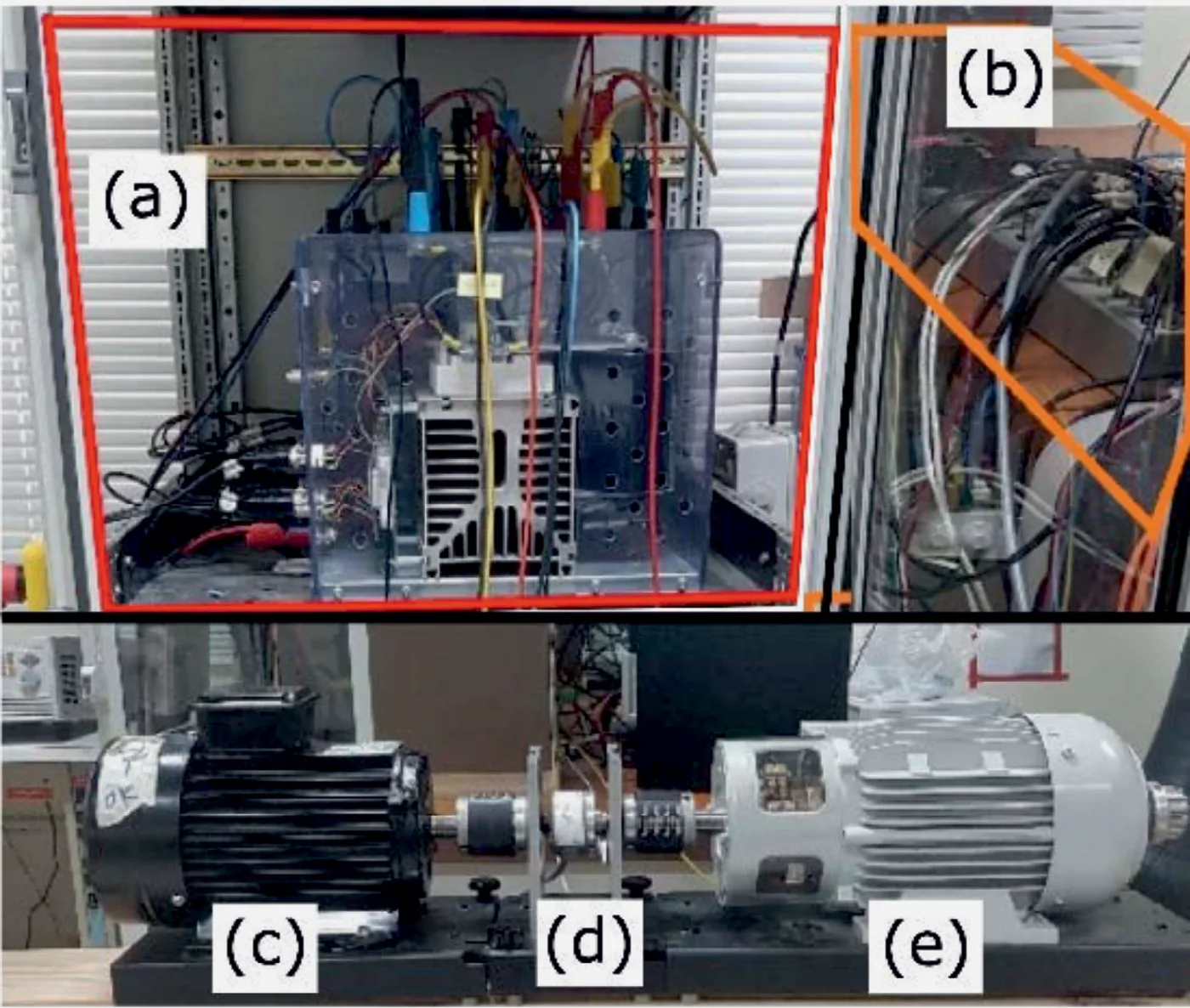
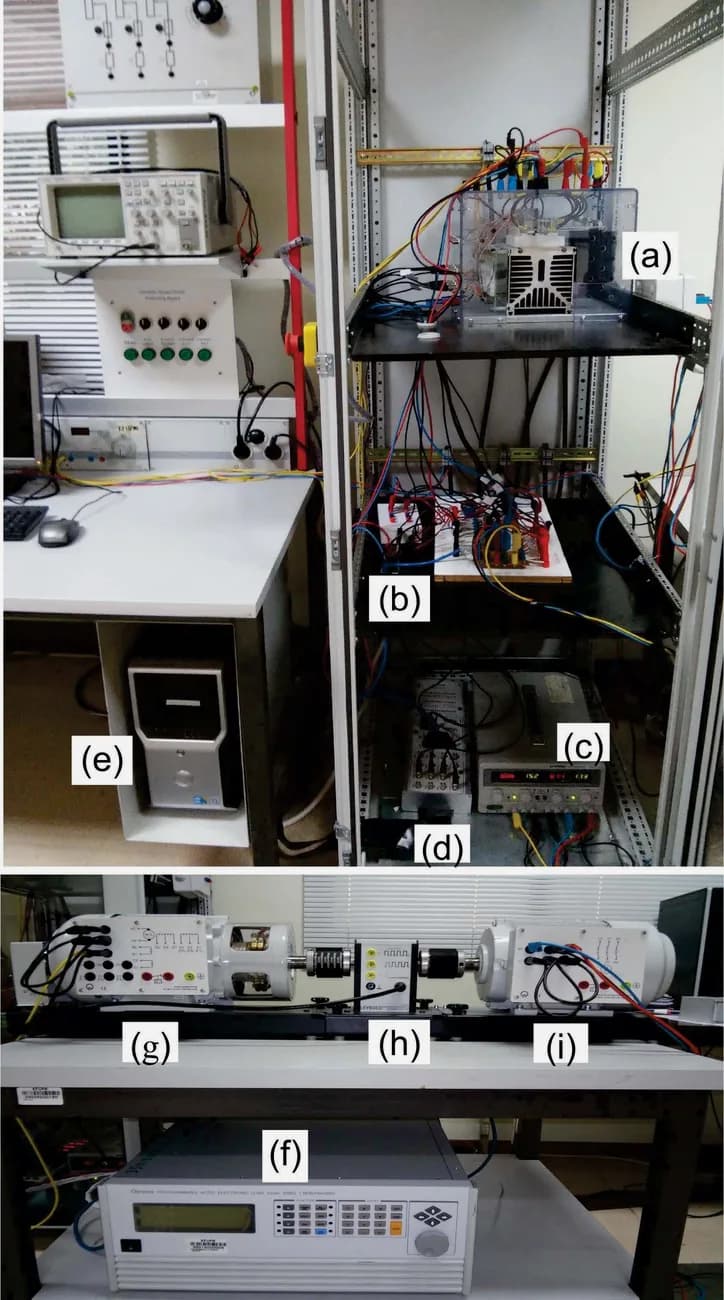
This paper presents a comparative analysis of the dynamic performance of Field-Oriented Control (FOC) and Finite Control-Set Model Predictive Torque Control (FCSMPTC) for Line-Start Permanent Magnet Synchronous Motors (LSPMSM) with a modified flux observer. The developed observer is based on a modified indirect current method that employs current measurements to improve induction and permanent magnet flux estimation at the stator, which is critical for optimizing the drive's dynamic response. The real-time experimental performances of both FOC and FCS-MPTC techniques are evaluated under the same operating conditions to assess their transient and steady-state responses. Additionally, investigating the results for FCS-MPTC demonstrates its advantages in terms of faster dynamic response and lower steady-state torque and flux ripples compared to FOC.
Computationally efficient data-driven model predictive control for modular multilevel convertersM. M. Raja, H. Wang, M. H. Arshad, G. J. Kish, Q. Zhao
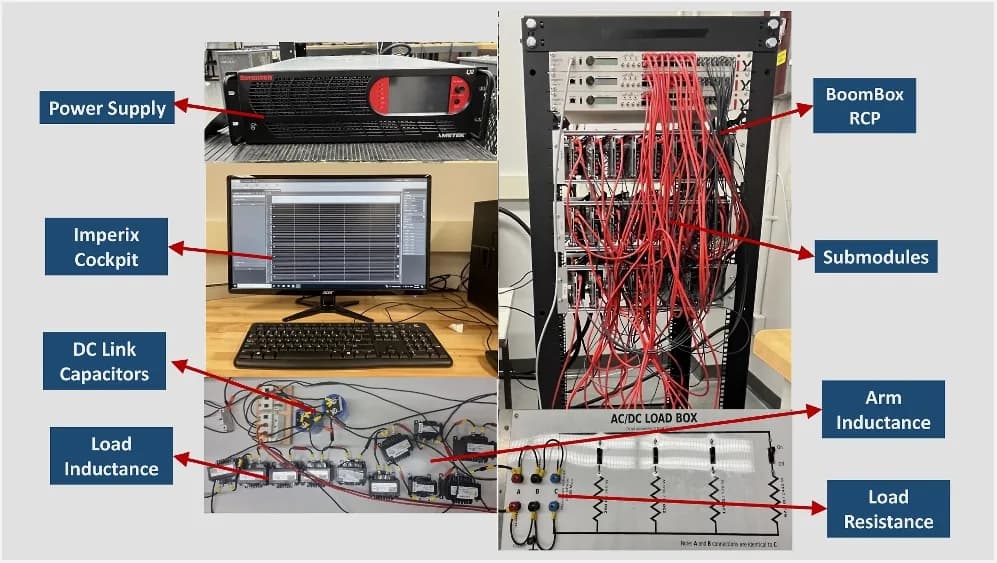
The application of model predictive control (MPC) for the control of modular multilevel converters (MMCs) is widely explored because it offers flexibility in integrating multiobjective control and delivers superior dynamic response. Nonetheless, the increase in computational complexity due to the rise in the number of submodules (SMs) is one of the major drawbacks of this technique. This paper presents a finite control set model predictive control (FCS‐MPC) that significantly reduces the computational complexity by employing sparse identification of non‐linear systems (SINDy) to obtain a simplified linear model for the MMC. The SINDy model reduces the complexity of performing the prediction step by integrating input terms into the dynamics of load current and circulating current.
Implications of the sensorless predictive control for line-start permanent magnet synchronous machineM. H. Arshad, A. El-Sayed, A. Salem, Q. Zhao, M. A. Abido
This article intends to demonstrate a real-time sensorless predictive control for a Line-Start Permanent Magnet Synchronous Machine (LSPMSM) with a speed observer based on the Model Reference Adaptive System (MRAS). The investigated control approach is evaluated under diverse scenarios in simulation and experimental studies to give an in-depth analysis. The LSPMSM’s dynamic and steady-state performance characteristics are thoroughly examined. A step speed case was investigated. Similarly, the low and high-speed responses were assessed. The LSPMSM’s capacity to handle sudden load increases in synchronous mode was also evaluated.
Data driven model predictive control for modular multilevel converters with reduced computational complexityM. M. Raja, H. Wang, M. H. Arshad, G. J. Kish, Q. Zhao
Model predictive control (MPC) has become increasingly popular among researchers for modular multilevel converters (MMCs) due to its ability to incorporate multiobjective control and provide superior dynamic response. However, it is computationally challenging to implement it on MMCs when the number of submodules is increased. This paper proposes a finite control set (FCS) model predictive control (MPC) with reduced computational complexity for modular multilevel converters (MMCs). To accomplish this goal, a reduced order data-driven model is obtained using sparse identification of nonlinear systems (SINDy) by incorporating the input terms in the load current and circulating current dynamics. As a result, the need to use the arm voltages or the submodule capacitor voltages dynamic equations as in the case of a conventional FCS-MPC is eliminated.
Linear quadratic Gaussian control for UAVs with improved state estimation against gyroscope and accelerometer biasesM. M. Raja, M. H. Arshad, X. Zhang, Q. Zhao
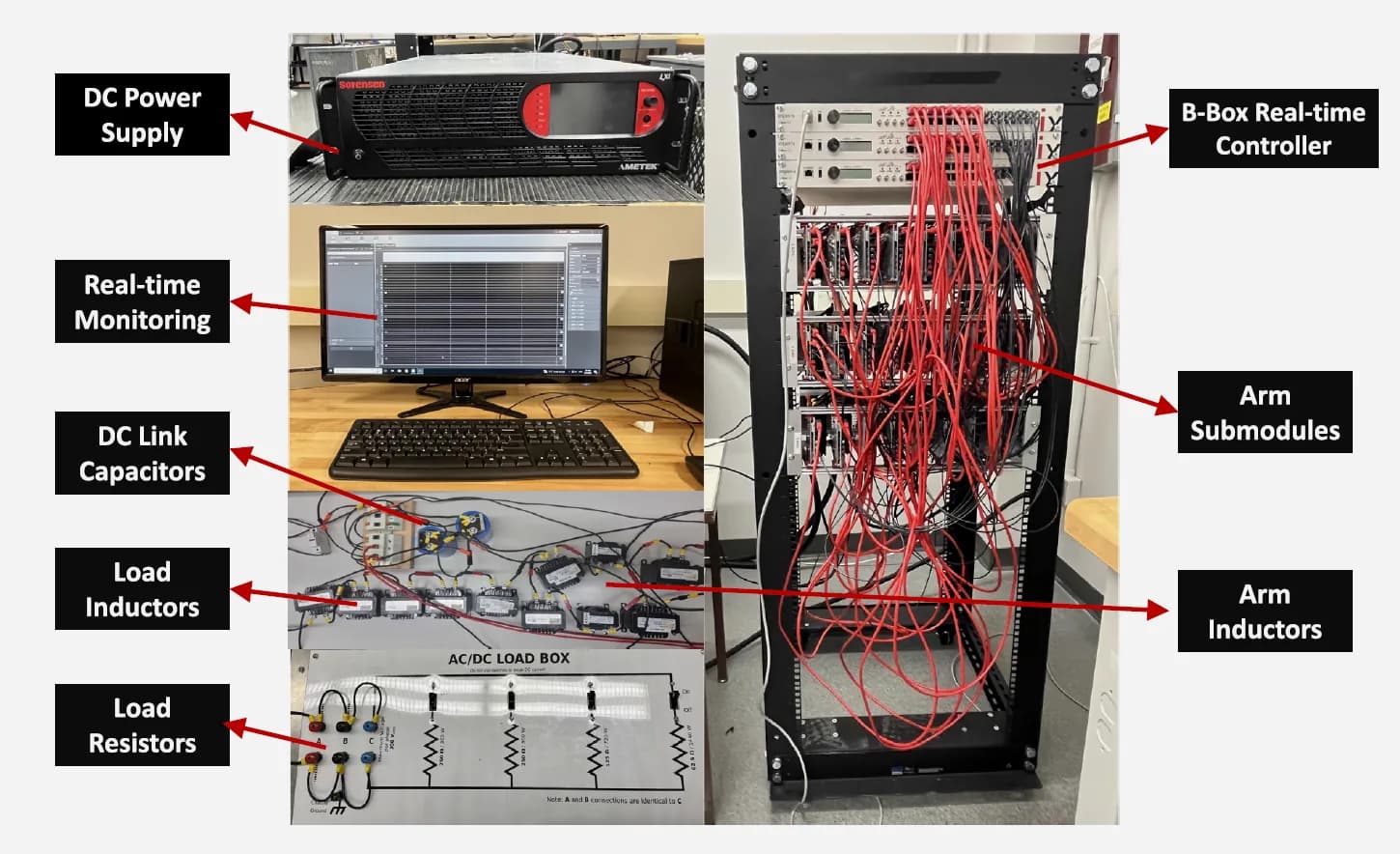
This paper proposes a linear quadratic Gaussian control for trajectory tracking of a quadrotor UAV. It involves implementing an optimal linear quadratic regulator control with integral action in an inner-outer loop control architecture. The full-state multi-rate extended Kalman filter generates the feedback required for the optimal control. Biases in gyroscope and accelerometer measurements are also incorporated into the Kalman filter to avoid degradation of the closed-loop response and to provide accurate state estimates. The proposed control architecture is tested on an experimental test bed consisting of a quadrotor UAV platform. The onboard inertial measurement unit, altimeter, and motion capture system provides the necessary measurements.
Neutral Point Voltage Balancing Using MOPSO based Weighting Factor Tuning for FCS-MPTC of Three Level T-Type VSI Fed IM DriveM. H. Arshad, M. M. Raja, Q. Zhao
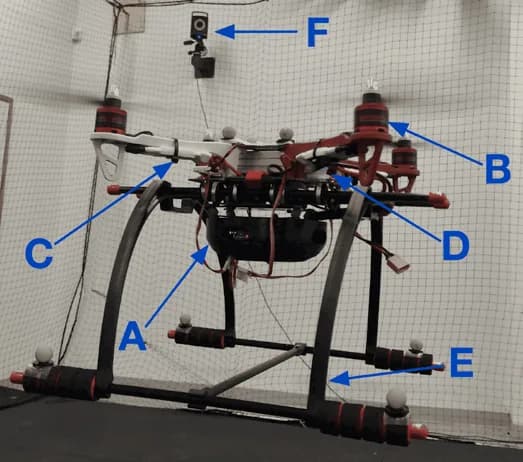
This paper proposes designing and implementing an offline optimization of weighting factors associated with the Finite Control Set Model Predictive Torque Control (FCS-MPTC) for a T-Type Multilevel Inverter (MLI) fed three-phase induction motor drive. Since the IM drive driven by T-Type MLI requires neutral point voltage balancing for reliable and acceptable performance, a regularization term with a weighting factor is added to the cost function of FCS-MPTC involving the neutral point voltage balancing. The optimized weighting factors were obtained by applying the Vikor decision-making method on the Pareto front obtained from the Multi Objective Particle Swam Optimization (MOPSO) algorithm. The improvement is shown by comparing the results of the proposed method with the conventional FCS-MPTC applied to the same IM drive.
Exploring crowdsourced content moderation through lens of Reddit during COVID-19W. Iqbal, M. H. Arshad, G. Tyson, I. Castro
In 2020, when COVID-19 struck, social media gained even more influence in people’s lives due to increased online activity. This event led to a surge of false information and cyberbullying, making content moderation harder than ever. Given this challenge, exploring opportunities to explore content moderation solutions to reduce hate speech and fake news on social media is vital. In this paper, we examine if existing content moderation systems are enough during global pandemics and, if not, where gaps may lie. Due to its intriguing Decentralized Content Management System (DCMS), we chose Reddit as the key social networking platform for our hypothesis testing. We used 1.8 million Reddit posts from COVID-19-related subreddits from January 2020 to April 2021.
Packet-level and flow-level network intrusion detection based on reinforcement learning and adversarial trainingB. Yang, M. H. Arshad, Q. Zhao
Powered by advances in information and internet technologies, network-based applications have developed rapidly, and cybersecurity has grown more critical. Inspired by Reinforcement Learning (RL) success in many domains, this paper proposes an Intrusion Detection System (IDS) to improve cybersecurity. The IDS based on two RL algorithms, i.e., Deep Q-Learning and Policy Gradient, is carefully formulated, strategically designed, and thoroughly evaluated at the packet-level and flow-level using the CICDDoS2019 dataset. Compared to other research work in a similar line of research, this paper is focused on providing a systematic and complete design paradigm of IDS based on RL algorithms, at both the packet and flow levels. For the packet-level RL-based IDS, first, the session data are transformed into images via an image embedding method proposed in this work.
Genetic algorithm tuned adaptive discrete-time sliding mode controller for grid-connected inverter with an LCL filterM. H. Arshad, S. Elfarik, M. A. Abido, M. I. Hossain
The development of a two-stage cascaded control strategy for a single-phase grid-connected inverter with an LCL filter based on inverter-side current is proposed. The main objective of the proposed controller is to minimize both the grid current tracking error and the current total harmonic distortion and to overcome the system resonance introduced because of the third-order LCL filter. In the first part, a feed-forward controller calculates the reference values for the system states at the steady-state operation with no external disturbance. In contrast, an adaptive discrete-time sliding mode controller is used for disturbance rejection caused by parameter uncertainties in the second stage. The proposed control approach also considers the nonlinear behavior of the pulsed nature of the inverter’s hard switching pulse width modulation modulator.
Revisiting media literacy measurement: Development and validation of a 3-factor media literacy scaleA. Arshad, S. Ghazal, N. Saleem, M. A. Hanan, M. H. Arshad
Background In this technologically advanced era, media literacy is necessary to effectively evaluate the information and understand various biases inherent in media messages. Several media literacy (ML) tools are available; however, we need generic and objective tools that can be applied to all forms of media messages. Objectives The current study aimed to develop and validate an objective and generalized measure of media literacy based on the previously available tools. This study suggested that the access component should be removed from the media literacy tools as recommended in previous literature. Methods The total of 386 respondents, both males and females, were recruited from different universities in Lahore. The age of the sample ranged from 18 to 25 (M=20.98, SD=2.12), with an approximately equal proportion of males (47%) and females.
Hierarchical control of DC motor coupled with Cuk converter combining differential flatness and sliding mode controlM. H. Arshad, M. A. Abido
This paper proposes a hierarchical control law for DC motor fed by DC–DC power Cuk Converter. The control is divided into two parts: Firstly, the property of differential flatness associated with the mathematical model of the DC motor is studied to design a robust control that achieves the task of tracking the reference angular speed trajectory for the motor. It also gives the voltage profile which must be followed by the Cuk converter. The second independent controller, based on cascade control, is proposed for the Cuk converter, which allows the converter output voltage to follow the specified trajectory . Sliding mode control is used in the inner loop, whereas proportional integral control is used in the proposed cascade controller’s outer loop.
A simple technique for studying chaos using jerk equation with discrete time sine mapM. H. Arshad, M. Kassas, A. E. Hussein, M. A. Abido
Over the past decade, chaotic systems have found their immense application in different fields, which has led to various generalized, novel, and modified chaotic systems. In this paper, the general jerk equation is combined with a scaled sine map, which has been approximated in terms of a polynomial using Taylor series expansion for exhibiting chaotic behavior. The paper is based on numerical simulation and experimental verification of the system with four control parameters. The proposed system’s chaotic behavior is verified by calculating different chaotic invariants using MATLAB, such as bifurcation diagram, 2-D attractor, Fourier spectra, correlation dimension, and Maximum Lyapunov Exponent.
Artificial Bee Colony Optimized Self-tuning PI Speed Controller for FCS-MPCC of Permanent Magnet Synchronous MachinesM. H. Arshad, A. H. Elsayed, M. A. Abido, A. Salem
In this paper, an artificial bee colony optimized self-tuning proportional integrator (PI) regulator is proposed for the finite control set model predictive current control (FCS-MPCC) of the permanent magnet synchronous machine (PMSM). In view of the MIT rule hypothesis, the self-tuning laws were defined. The optimized coefficients for the PI regulator were calculated using a custom defined objective function for artificial bee colony algorithm to manage external (load) and internal disturbances. The proposed self-tuning PI controller with optimized coefficients result in smaller steady state torque bias error with improved dynamic speed response especially during the speed reversal. Furthermore, the self-tuning laws are extremely basic and can be easily implemented.
An overview of sequential learning algorithms for single hidden layer networks: current issues and future trendsM. H. Arshad, M. A. Abido
This paper serves as an overview for sequential learning algorithms for single hidden layer neural nets. Cite as: M. H. Arshad, M. A. Abido. An Overview of Sequential Learning Algorithms for Single Hidden Layer Networks: Current Issues & Future Trends. Abstract: In this paper, a brief survey of the commonly used sequential-learning algorithms used with single hidden layer feed-forward neural networks is presented. A glimpse at the different kinds that are available in the literature up until now, how they have developed throughout the years, and their relative execution is summarized. Most important things to take note of during the designing phase of neural networks are its complexity, computational efficiency, maximum training time, and ability to generalize the under-study problem.
A Chaos Based SVPWM Technique for B4 Inverter Fed Two-Phase Symmetric Induction Motor for THD and EMI Improvement at Low Modulation IndexM. H. Arshad, M. Kassas
Based on chaos theory, a hybrid space vector pulse width modulation, Chaotic SVPWM, is proposed. The conventional SVPWM contains harmonic components with higher amplitudes around the switching frequency (fixed) whereas the proposed chaotic SVPWM is operated at chaotic period of the inverter thereby varying the switching frequency for the inverter. Because of this varying switching frequency, the peak value of harmonics got distributed over the output harmonics spectrum of the inverter, effectively suppressing the influence of harmonics and ultimately reducing the current/torque ripple of the induction motor. Furthermore, the proposed scheme is cost efficient, straightforward and can be used to suppress EMI characteristics of the inverter. The design methodology is based on a two-phase power system, but it can easily be extended for n-phase systems as well.
Weighting factors optimization of model predictive torque control of induction motor using NSGA-II with TOPSIS decision makingM. H. Arshad, M. A. Abido, A. Salem, A. H. Elsayed
Model predictive control (MPC) is the result of the latest advances in power electronics and modem control. It is regarded as one of the best techniques when it comes to handling of nonlinearities in the intrinsic model of induction motor (IM). Conventional MPC utilizes weighting factors in the objective function that are tuned after rigorous experimental work which can be improved by utilizing the more mature intelligent optimization techniques like NSGA-II etc. In this study, the weighting factor optimization for the conventional MPC control of IM based on NSGA-II with TOPSIS decision-making criteria is studied.
Advanced Direct Torque Control of Four Switch Fed Two-Phase Symmetric Induction MotorM. H. Arshad, M. Khalid
In this paper, a modified direct torque control (DTC) method for four-switch two-leg inverter, also known as B4 inverter, fed two-phase symmetrical induction motor is proposed. The presented technique shows a prospect of developing a similar DTC strategy of six-switch fed three-leg three-phase induction motor by emulation. With the help of suitable combinations of active intrinsic vectors of B4 inverter, enhanced torque dynamics as well as considerable reduction in torque ripple is achieved.